


Union Budget 2023-24
The recently announced Union Budget 2023-24 could be a watershed moment for the real estate industry. The Finance Minister has announced several measures that are likely to benefit the sector.
On February 1st, the Finance Minister delivered her fifth Union Budget. Her budget, which announced measures of growth and progress, was built on the foundations of Amrit Kaal, a 25-year plan to transition India from 75 to 100 years of independence, which was announced last year. While several key measures announced will have a direct impact on the real estate sector, let us examine the main takeaways from Budget 2023 and assess their impact on real estate developers.
The Benefits And Drawbacks
As Finance Minister Nirmala Sitharaman tabled the Union Bill for the fiscal year 2023-24, the real estate industry hoped that several measures would be included to help alleviate the sector’s stress.
However, many crucial suggestions provided by developers in the last month have gone missing, which has displeased the builder community. For example, the real estate sector was anticipating infrastructure status, which has not occurred. The minister also ignored a long-standing demand for a single-window clearance mechanism.
Furthermore, there were expectations of tax relief for the industry, which were not included in the financial bill.
Favourable Measures Declared
While there have been a few omissions, the measures outlined below are expected to improve the situation of real estate developers, who have been under significant pressure since COVID’s incursion.
Economic Stimulants
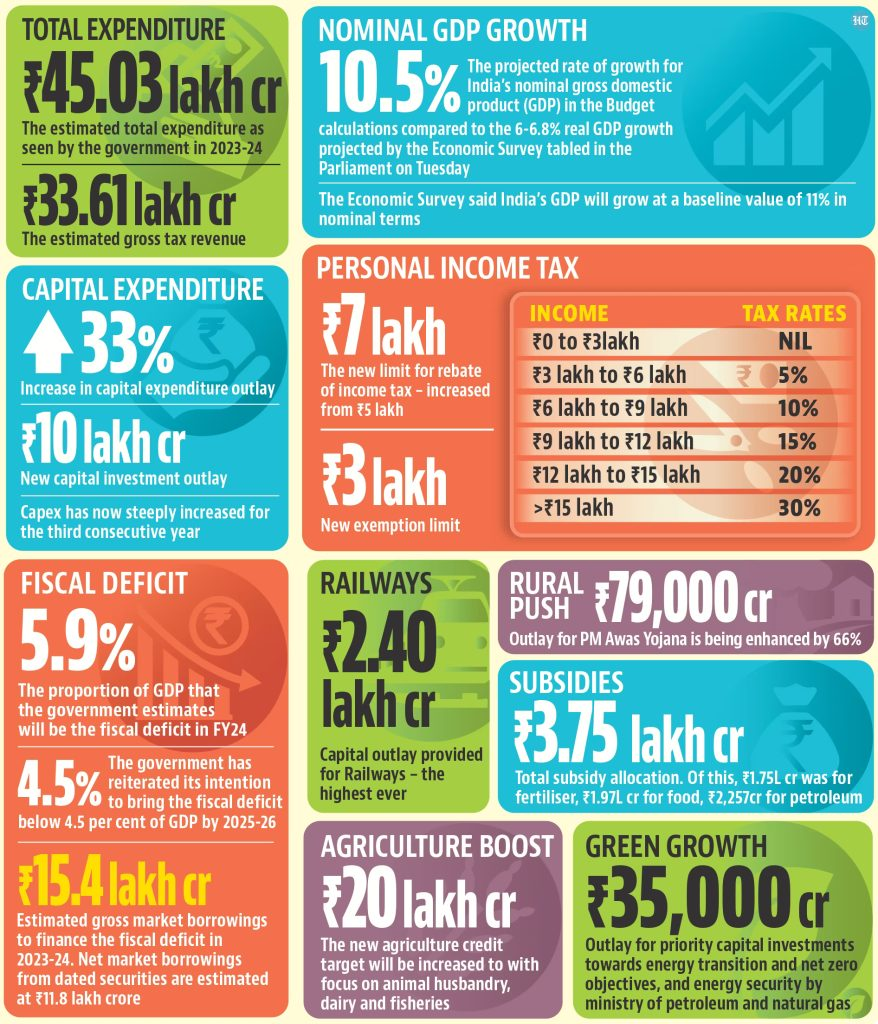
The Finance Minister forecasts 7% economic growth for fiscal years 2023-24. More development would be seen across the country with a planned capital expenditure of Rs 10 lakh crore, a YoY increase of 33%, attracting more investors. This would improve cash liquidity in the market, benefiting the real estate sector.
Tier 2 And Tier 3 Cities Place A High Priority On Urban Planning.
The Finance Minister emphasised development and urban planning in Tier 2 and Tier 3 cities in this year’s Budget. With a focus on sustainable and planned development, the housing sector could benefit.
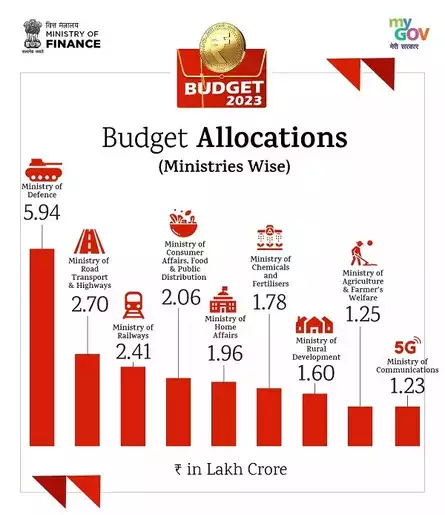
The National Housing Bank will oversee the proposed Urban Infrastructure Development Fund (UIDF). This will help public agencies develop infrastructure in Tier 2 and Tier 3 cities. A Rs 10,000 crore budget has been proposed for this fund.
Furthermore, five centres of excellence for urban planning have been proposed, which will provide the sector with a channel to hire trained professionals. To recommend urban planning policies, implementation plans, capacity building, and governance, a high-level committee of urban planners, economists, and institutions will be formed.
Continued Outreach For Affordable Housing
The Union Budget 2023-24 includes a Rs 79,000 crore commitment for PMAY houses. This represents a 66 percent increase over the previous year. The funds will be used to expand the supply of low-cost housing under the Pradhan Mantri Awas Yojana.
Assisting Cities With Municipal Bonds
The Finance Minister also discussed property tax reforms to provide cities with incentives to improve their credit ratings for municipal bonds. These bonds have the potential to alleviate urban infrastructure woes while also improving real estate sentiment in these areas.
Infrastructure Formation
This year’s budget includes plans to upgrade 50 airports and ports. The Infrastructure Finance Secretariat will promote private investment in infrastructure projects such as urban development, power, roads, and railways.
The expansion of National Highways was announced in last year’s Budget to exceed 25,000 km. A coordinated strategy for developing cargo terminals and motorways, as well as other infrastructure, was proposed by PM Gati Shakti.
Nuvoco Vistas Corp. Ltd. Managing Director Jayakumar Krishnaswamy, shares, “The Union Budget 2023 provides a significant boost to the infrastructure sector, which will aid the economy’s recovery and growth. The government’s emphasis on green capital expenditure will aid in meeting the industry’s energy requirements. Overall, this budget represents a forward-thinking approach to long-term growth.”

Aid Of Doing Business
The Union Budget 2023-24 includes a slew of measures to make doing business easier. Around 39,000 compliances have been reduced, and amendments to Central Acts have been proposed to make governance more business-friendly.
“Simplifying KYC, using PAN as a common business identifier, and improved use of Digi locker are all encouraged steps towards key targets of simplification of investment, taxation, and enhanced financial inclusion of individuals and businesses,” says Abhishek Dev, CEO and Co-Founder of Epsilon Money Mart. This should further increase the pace of growth of the formal economy and bring more transparency”.
In the previous year’s Union Budget, a Unique Land Parcel Identification Number was proposed for digital land records management. This step was intended to increase transparency in real estate transactions. There are also plans to translate land records from regional languages. The ‘anywhere registration’ of documents and deeds under the ‘One Nation One-Registration Software’ could revolutionise the real estate industry.
Overall, the Union Budget has laid out a promising road map, with a focus on urban planning and sustainable growth.
What is the Union Budget’s proposed capital expenditure?
For the fiscal year 2023-24, capital expenditure has been revised to Rs 10 lakh crore.
Who will be in charge of managing the Urban Infrastructure Development Fund?
The National Housing Bank will back the proposed UIDF.
In the Union Budget 2023-24, how much money has been set aside for Smart Cities?
For FY24, the government has allocated Rs 16,000 crore to its Smart Cities Mission.